More Than Just Trains!
Other Things to See & Do While Attending the Midwest Narrow Gauge Show
Coming to the Midwest Narrow Gauge Show? Why not make a weekend of it!
Northeastern Ohio and the surrounding region offer fascinating historic landmarks, scenic drives, beautiful parks, and some unusual local history. Whether you're interested in architecture, engineering, photography, or simply exploring, there's plenty to discover beyond the trains.
We'll be adding more attractions and photographs to help you plan your visit.
Explore Historic Bridges and Other Things to See & Do
Historic Bridges, Scenic Drives & a Little Mystery!
Mill Creek Park Suspension Bridge — Youngstown, Ohio
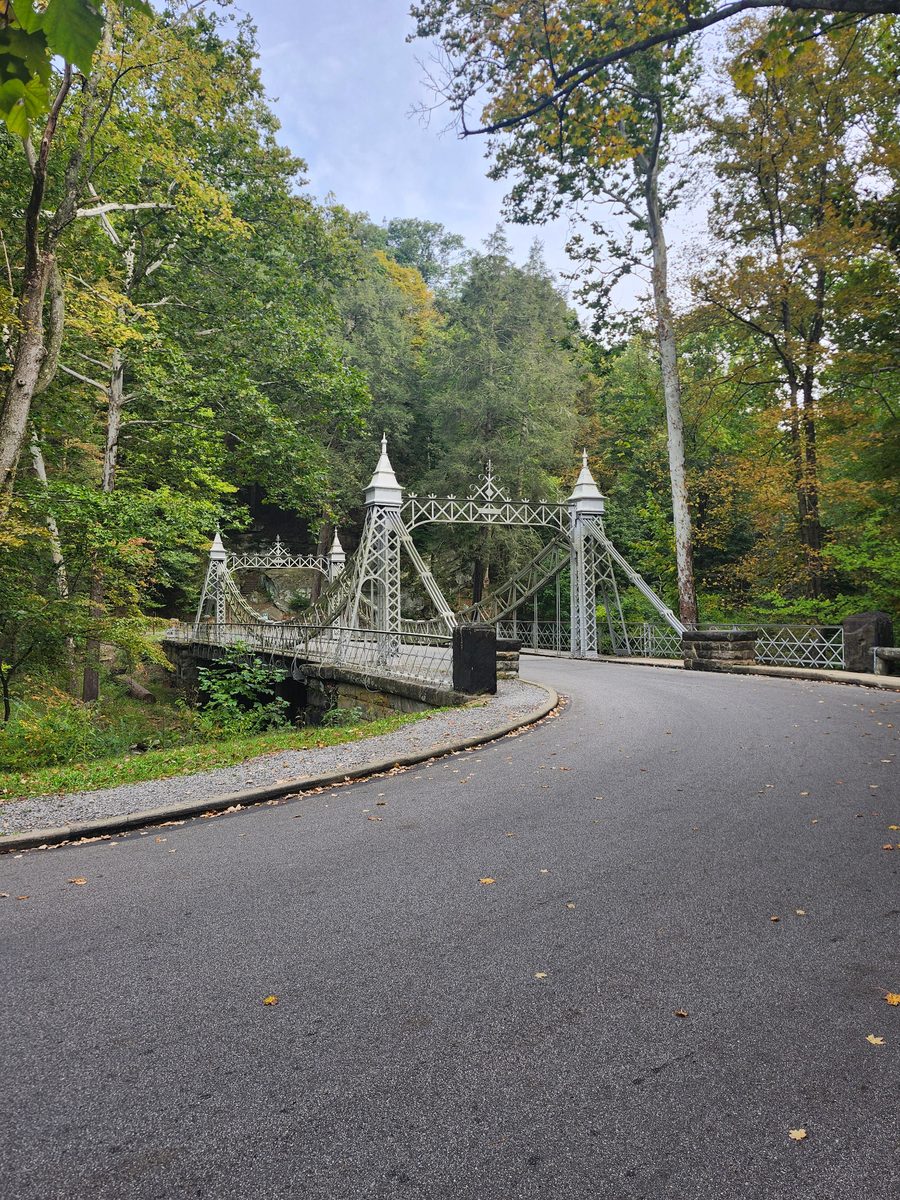
Built in 1895, this remarkable bridge carries Valley Drive across Mill Creek in Youngstown's beautiful Mill Creek Park.
Designed by Charles Fowler of the Youngstown Bridge Company, the ornate structure is also known as the Cinderella Bridge, Castle Bridge, and Silver Bridge.
Listed on the National Register of Historic Places in 1976, the bridge is one of the area's most distinctive architectural landmarks. Its fanciful towers and decorative ironwork make it a favorite subject for photographers and history enthusiasts.
Fredericktown Bridge — Columbiana County, Ohio
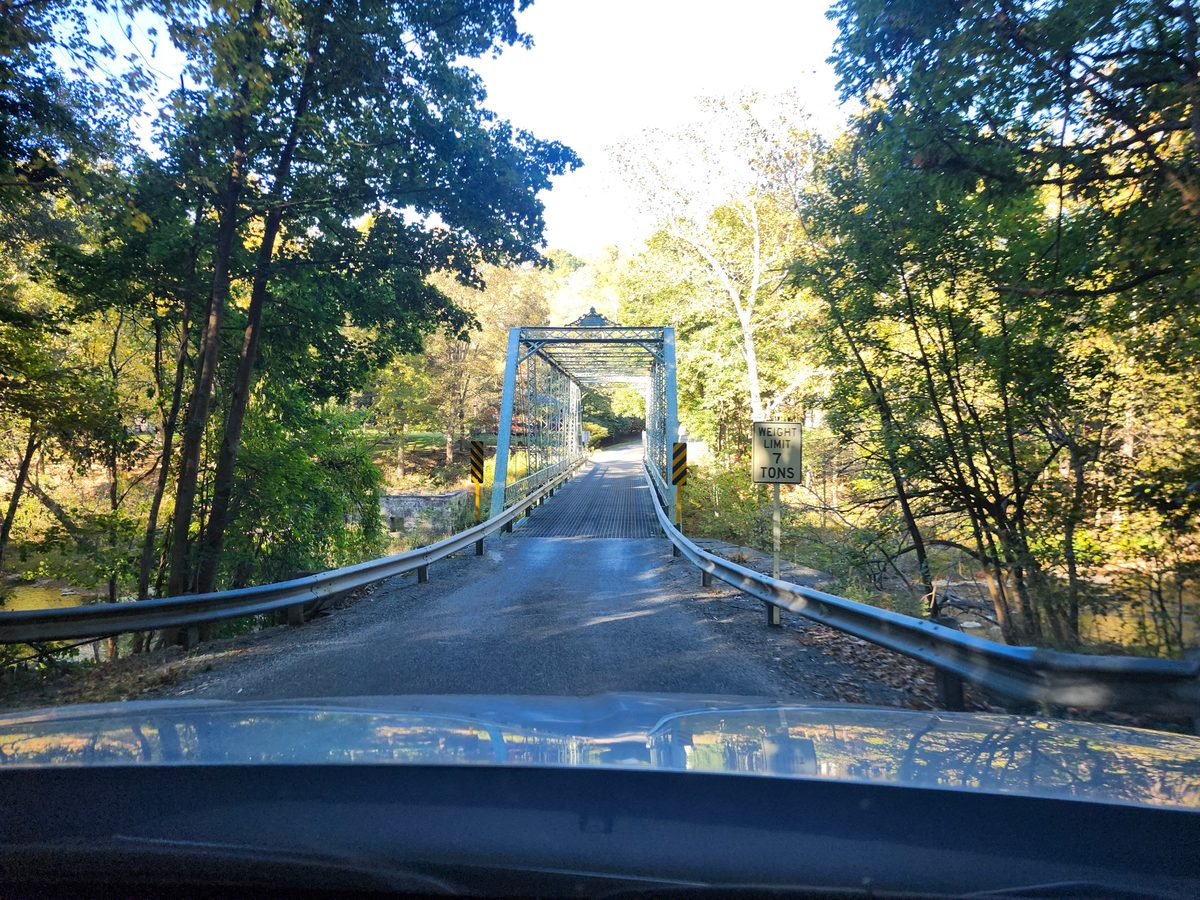
Built in 1893 by the Penn Bridge Company of Beaver Falls, Pennsylvania, this historic bridge crosses the North Fork of Little Beaver Creek.
The 119-foot structure is an excellent surviving example of a pin-connected Pratt through-truss bridge, representing an important period in American bridge engineering.
Located along Midland-Fredericktown Road, the bridge makes an interesting stop for visitors who enjoy history, photography, and scenic countryside.
Historic Fredericktown — A Village Frozen in Time
There's much more to Fredericktown than its historic 1893 steel truss bridge!
Located near Calcutta, Ohio, along Little Beaver Creek, this picturesque nineteenth-century settlement was laid out in 1833 by George Frederick. Once a bustling little community with mills, shops, and other businesses, Fredericktown retains a remarkable collection of historic buildings.
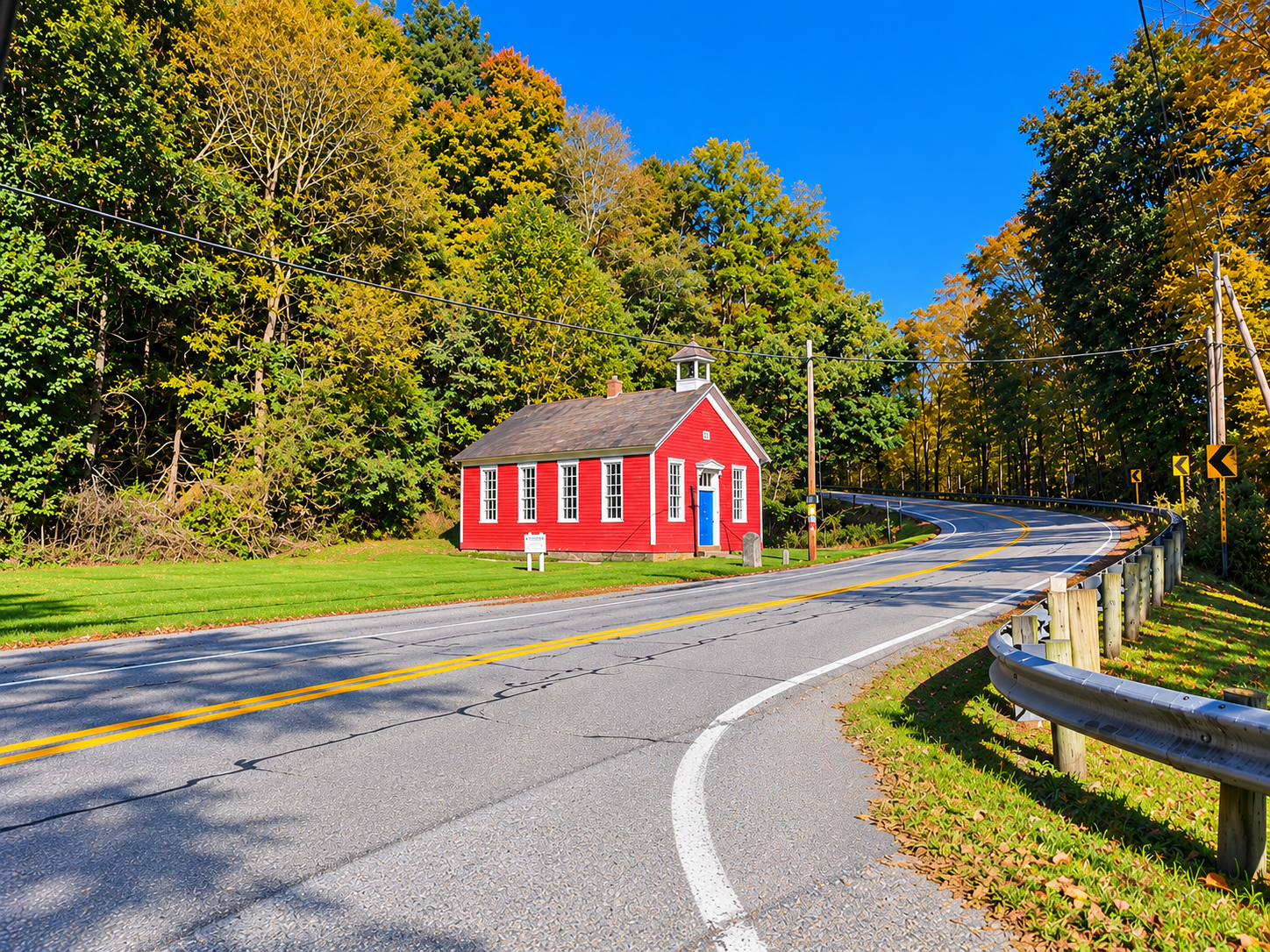
Among the area's attractions is this beautifully preserved red schoolhouse, standing beside a winding country road surrounded by wooded hills.
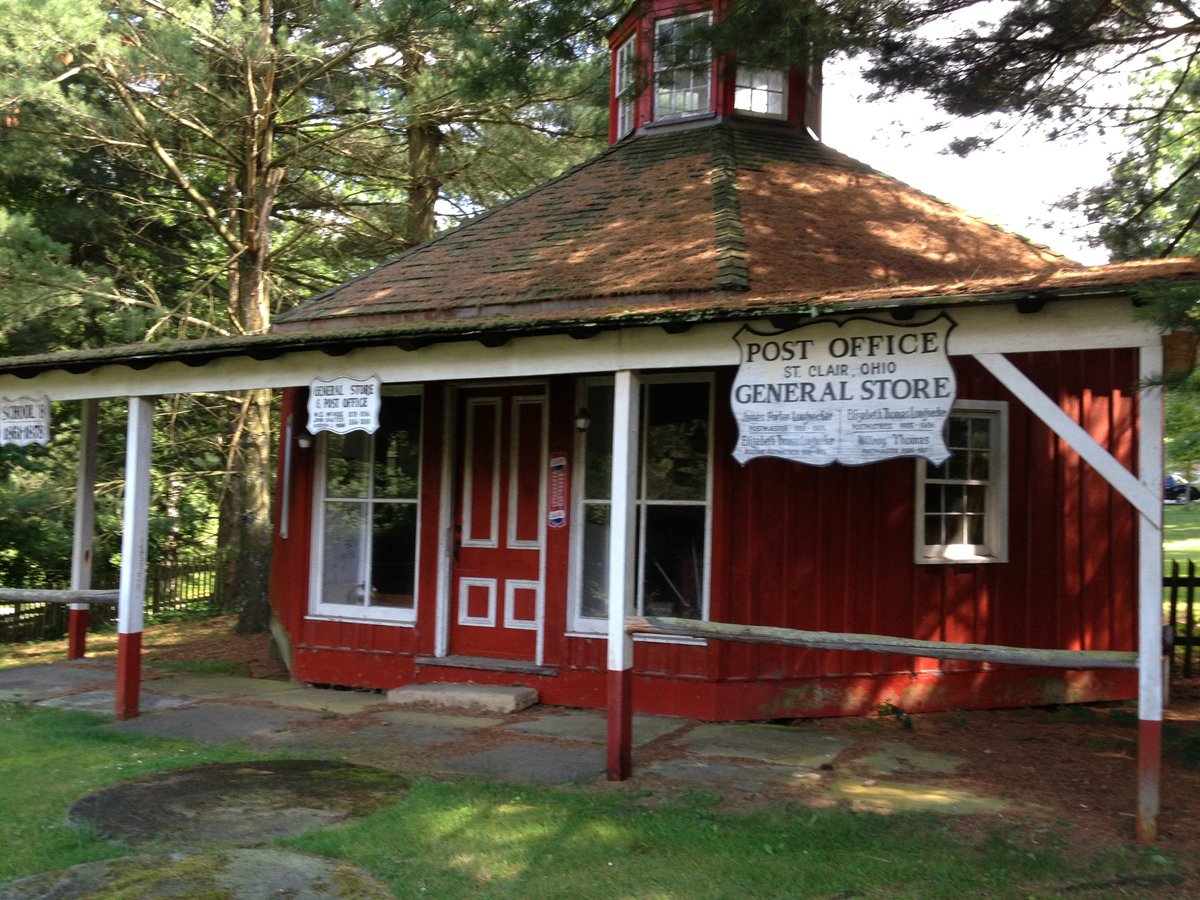
Another fascinating survivor is the old general store and post office, with its unusual roof and cupola, recalling the days when small country stores served as gathering places for the surrounding community.
Fredericktown also has its share of local folklore. Stories of a lost silver mine and the mysterious Diamond Falls have been passed down through generations, adding a little intrigue to this historic settlement.
For visitors who enjoy early American architecture, scenic country roads, and places seemingly untouched by time, Fredericktown is well worth exploring.
Location: Fredericktown, Columbiana County, Ohio, northeast of Calcutta. Please respect private property when visiting historic buildings.
Teegarden–Centennial Covered Bridge — Columbiana County, Ohio
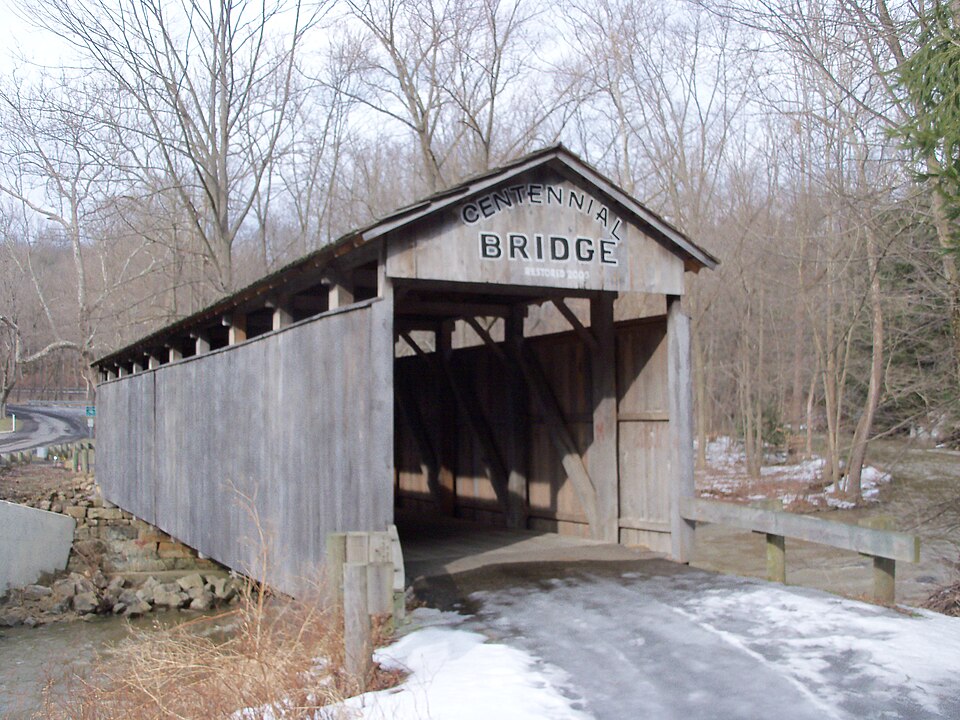
Built in 1876, this historic wooden covered bridge spans the Middle Fork of Little Beaver Creek near Salem, Ohio.
Its traditional timber construction offers visitors a glimpse into nineteenth-century bridge building. Located on Eagleton Road near the Little Beaver Creek Greenway Trail, it is a scenic destination for photographers and history enthusiasts.
The bridge is open to pedestrians and makes a pleasant stop while exploring Columbiana County.
Sells/Roller Mill Covered Bridge — Columbiana County, Ohio
Originally constructed in 1878, this historic covered bridge once crossed the West Fork of Little Beaver Creek near Lisbon.
Following damage and reconstruction, the bridge was relocated to Scenic Vista Park, where visitors can enjoy its historic wooden structure in a peaceful park setting.
The bridge is a reminder of the many covered crossings that once served rural Ohio communities and makes another interesting stop for visitors exploring the region.
Cherry Valley Coke Ovens — Leetonia, Ohio
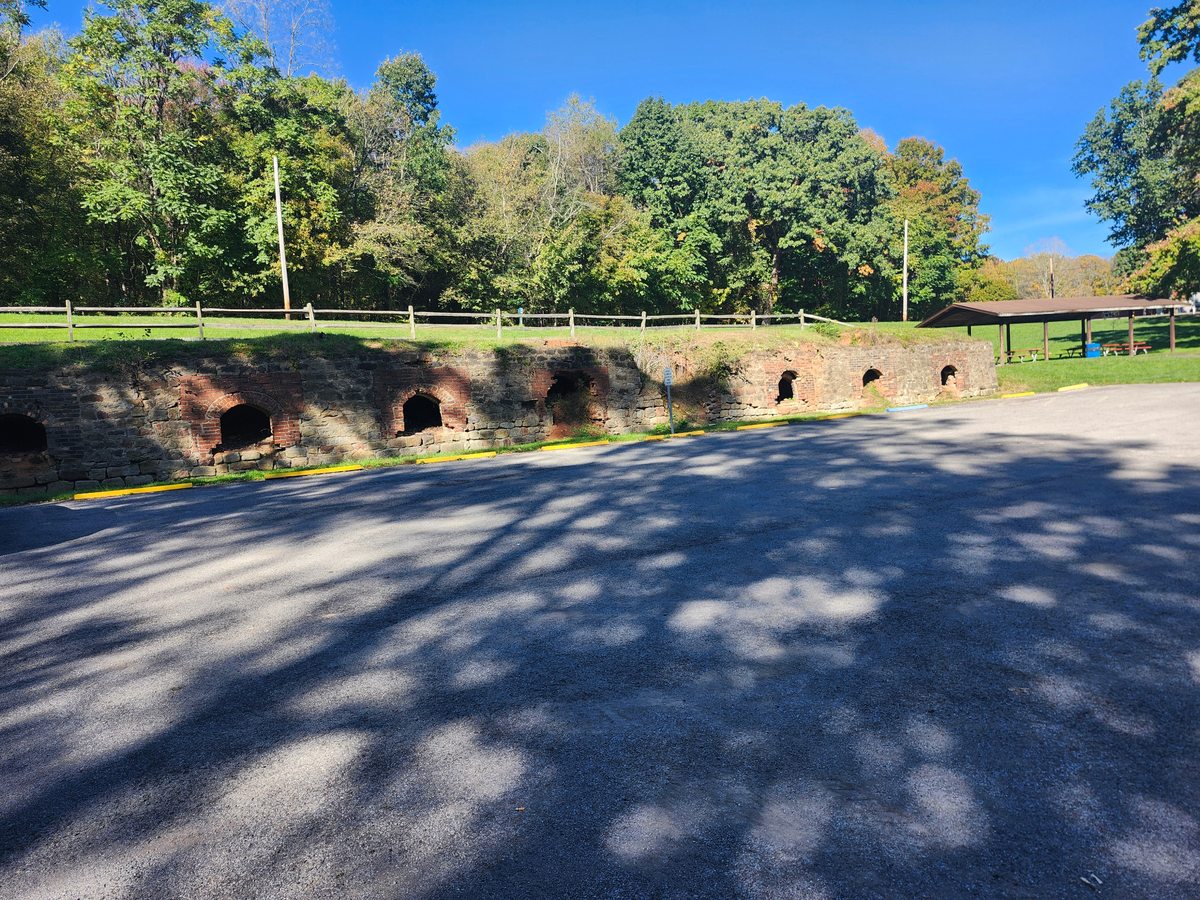
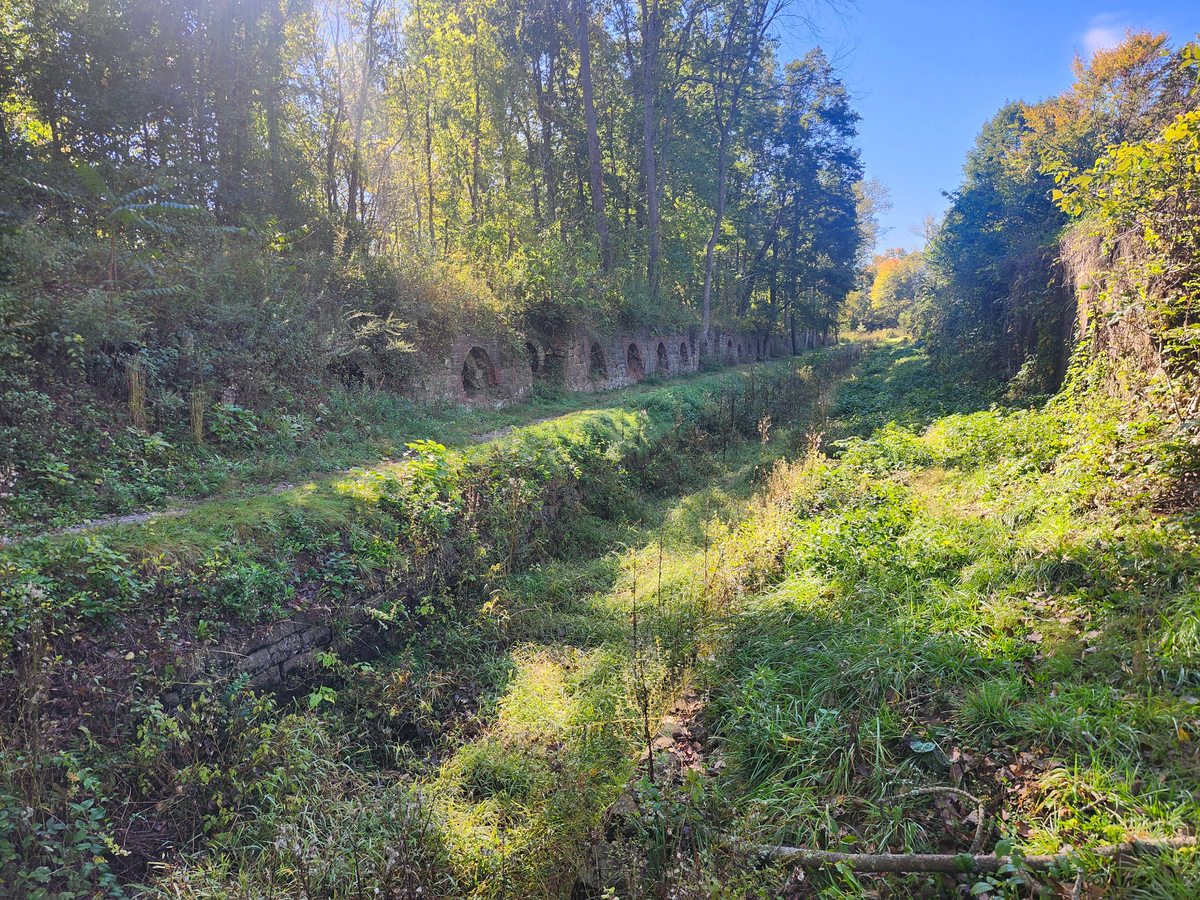
One of northeastern Ohio's remarkable surviving industrial landmarks, the Cherry Valley Coke Ovens date to 1866, when the Leetonia Iron and Coal Company began producing coke for the region's growing iron industry.
The complex eventually included approximately 200 beehive-shaped brick ovens, where coal was heated to produce coke used in nearby blast furnaces.
Operations ended around 1930, but the surviving ovens have been preserved as part of a historic park. Visitors can explore the grounds and see the impressive remains of this once-thriving industrial operation.
Listed on the National Register of Historic Places, the site offers a fascinating glimpse into the region's coal, railroad, and ironmaking history.
Location: 999 Cherry Valley Road, Leetonia, Ohio.
Where Pretty Boy Floyd Met His End — East Liverpool, Ohio
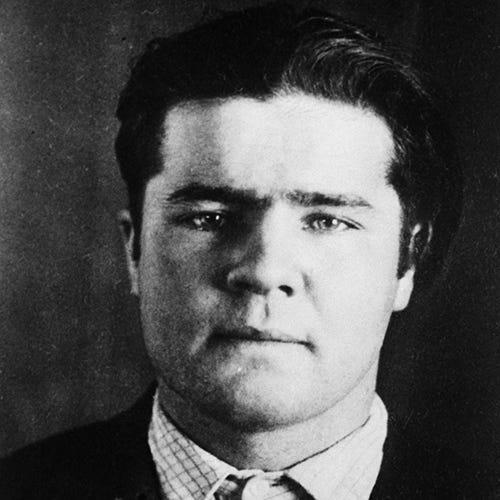
One of America's most notorious Depression-era outlaws met his end in the countryside near East Liverpool, Ohio, on October 22, 1934.
Charles Arthur "Pretty Boy" Floyd was wanted for a series of bank robberies and was suspected of involvement in the infamous 1933 Kansas City Massacre. His exploits made him a nationally known fugitive during the era of John Dillinger and Bonnie and Clyde.
After being spotted near East Liverpool, Floyd attempted to escape across open farmland. He was shot by law enforcement officers, including members of the FBI led by Melvin Purvis.
Exactly how Floyd died remains a subject of historical controversy. Official accounts describe his death during a gunfight, while other accounts suggest he was shot after being wounded and taken into custody.
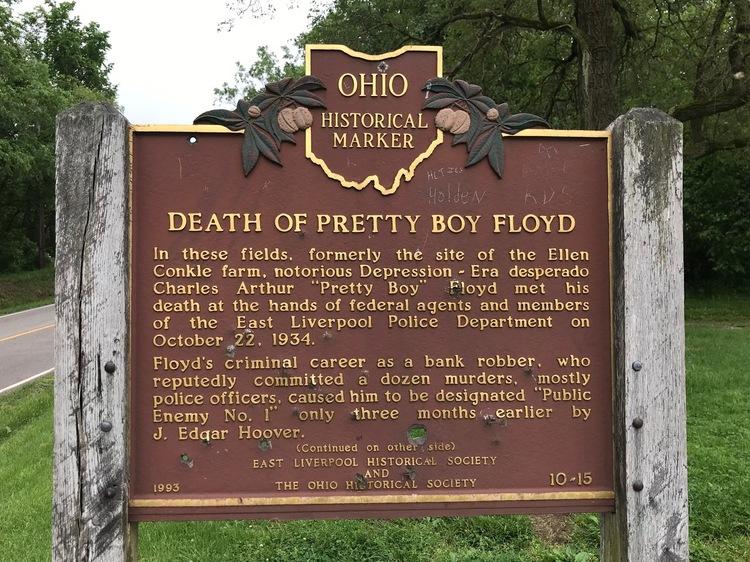
A historical marker near the site commemorates the event. Visitors interested in American crime history and unusual roadside landmarks may enjoy a stop while exploring the East Liverpool area.
Location: Near Sprucevale Road, outside East Liverpool, Ohio.
Sandy & Beaver Canal — Lost Lock and Sprucevale, Ohio
Long before railroads dominated transportation in northeastern Ohio, the Sandy & Beaver Canal was an ambitious attempt to connect the Ohio River with the Ohio & Erie Canal.
Completed in 1848, the canal crossed rugged countryside, requiring numerous locks, aqueducts, and tunnels. Although the canal operated for only a relatively short period, remnants of this remarkable engineering project can still be found today.
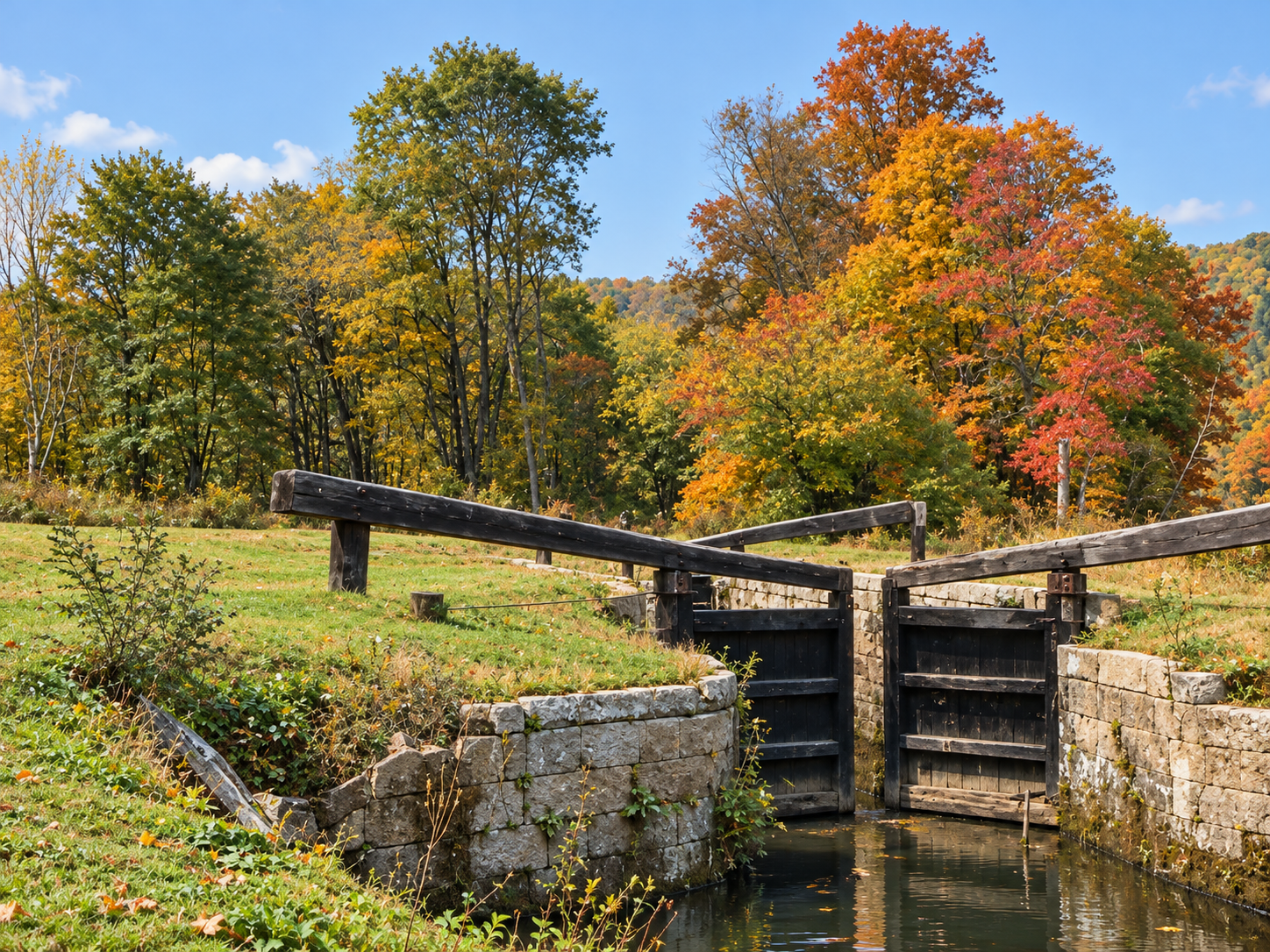
Lost Lock — a historic view of one of the canal's surviving locks, showing its wooden gates and stone masonry.
Near Fredericktown, the canal once served communities and industries along Little Beaver Creek. Its abandoned route offers an intriguing glimpse into an era when canals were considered the future of American transportation.
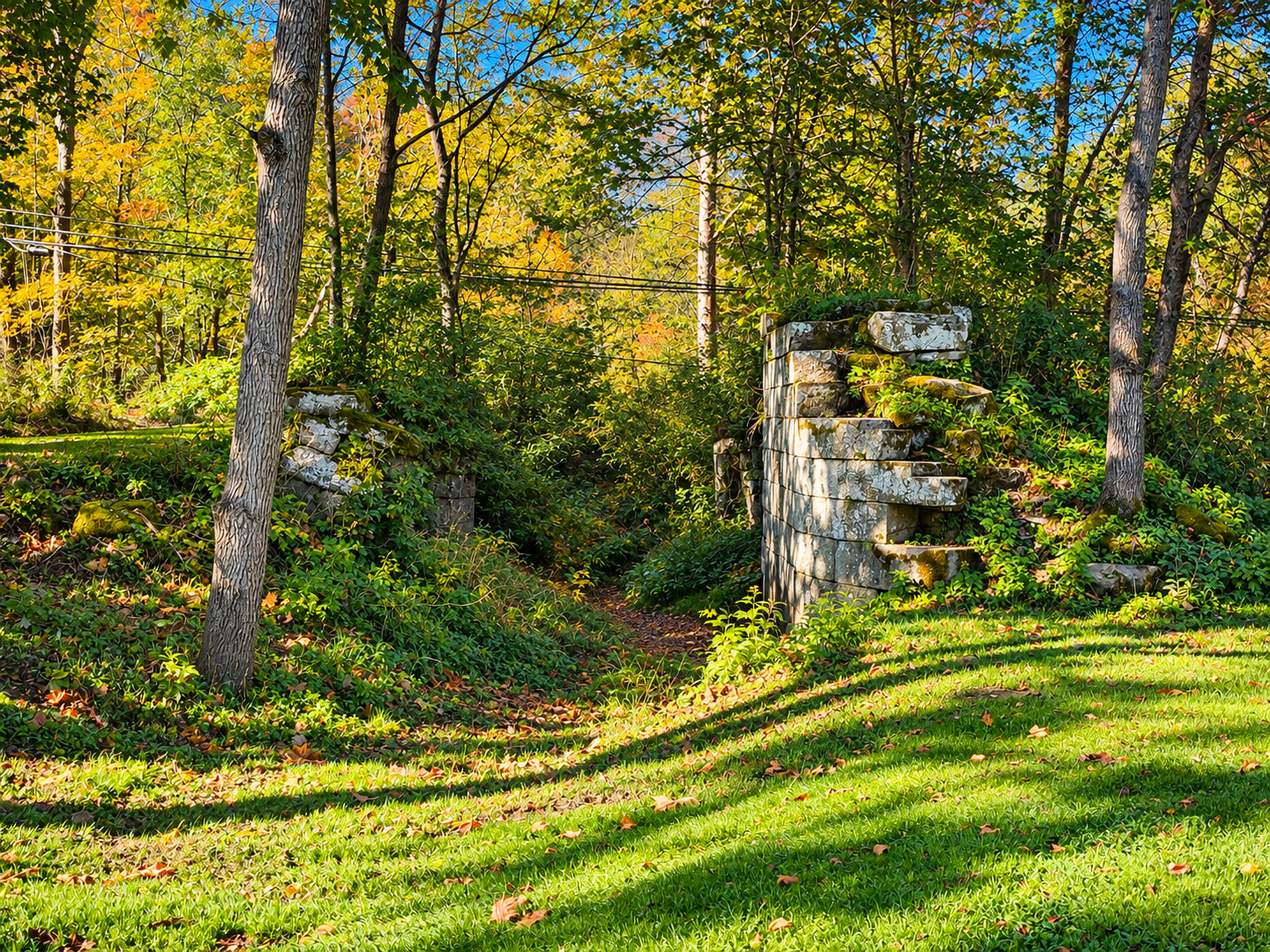
Sprucevale — surviving stonework associated with the Sandy & Beaver Canal.
Sprucevale, once a small canal settlement, is now remembered as one of the region's ghost towns. Remnants of its transportation and industrial past survive among the wooded hills.
For visitors interested in nineteenth-century engineering, transportation history, and forgotten communities, the Sandy & Beaver Canal offers a fascinating side trip.